
The brain cake
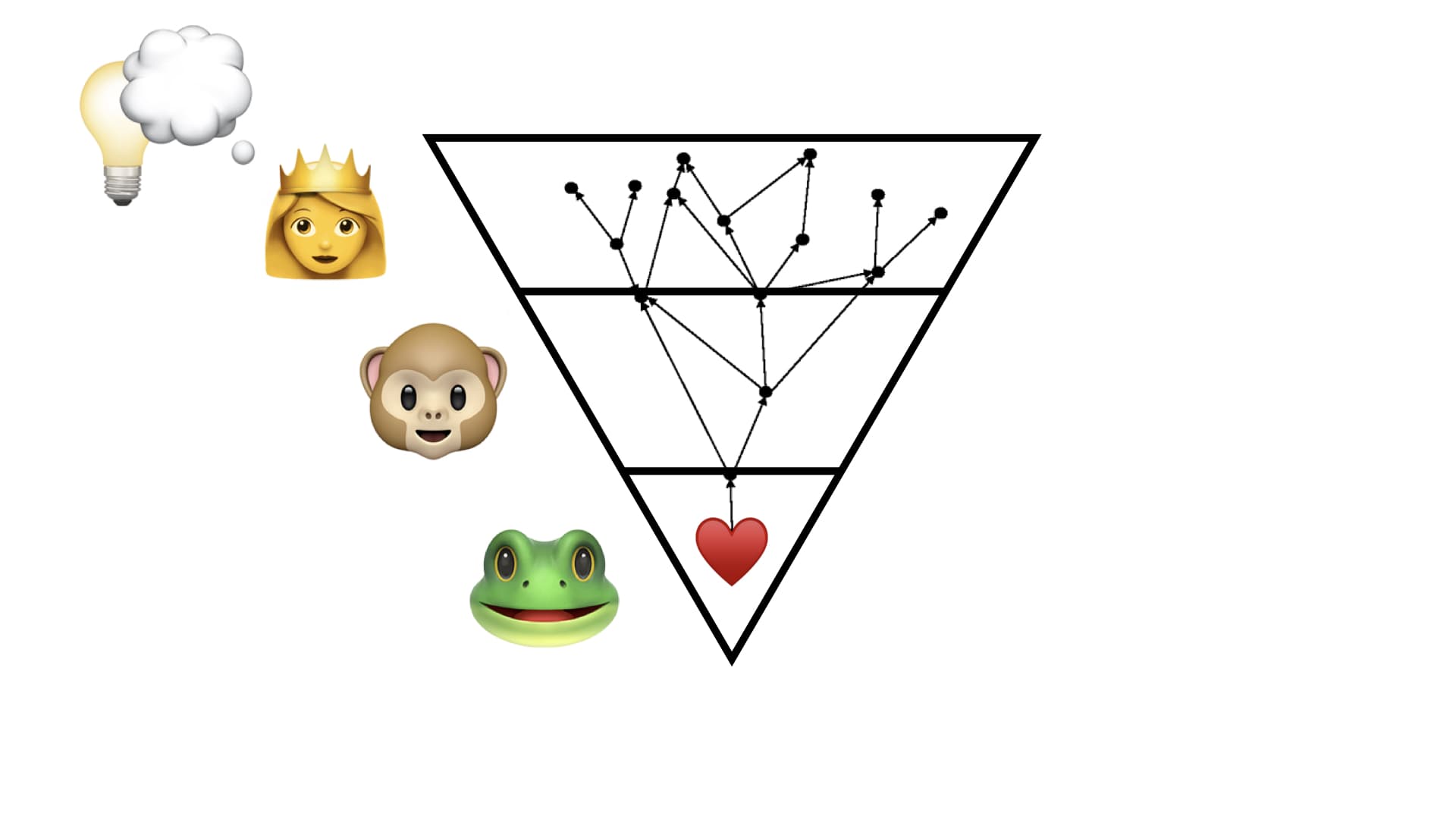
Picture your brain as a three-layered cake.
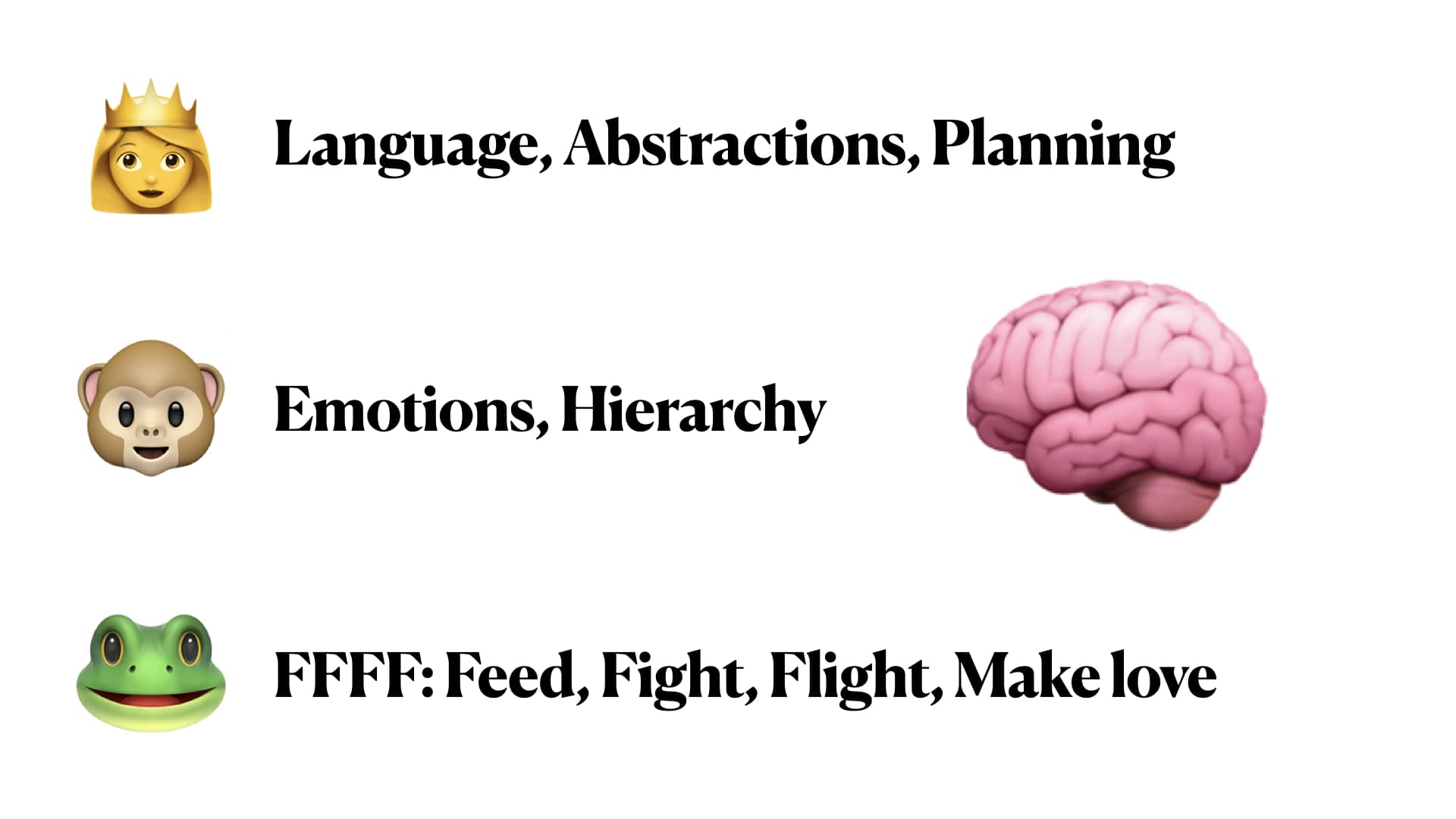
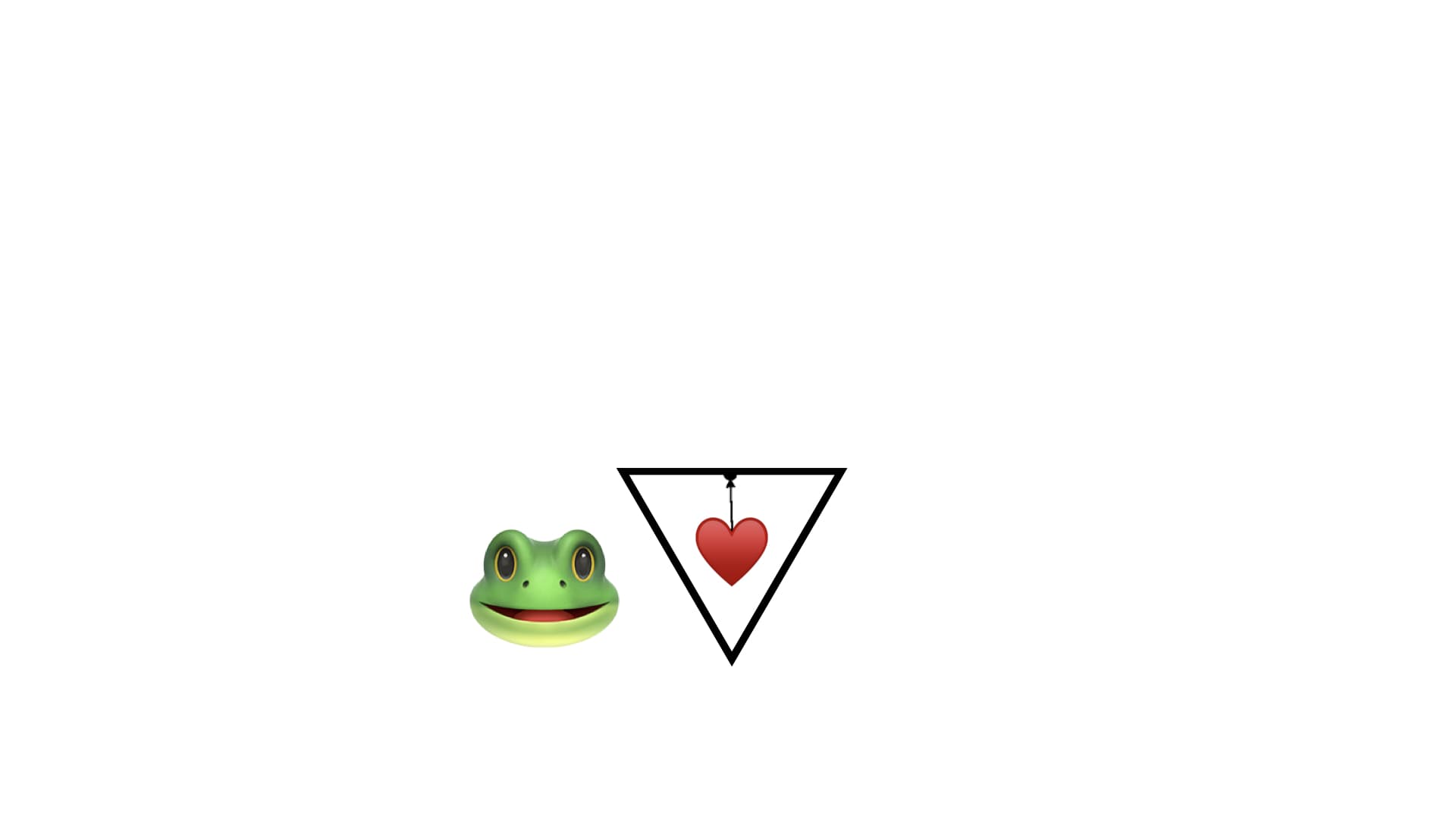
At the bottom is the ancient reptilian department (the brainstem), focused on survival. It runs the basics: eating, protection, reproduction, fight-or-flight. It keeps you alive and doesn’t ask permission. When there’s no immediate threat, it stays quiet and passes the signal up to the next level.
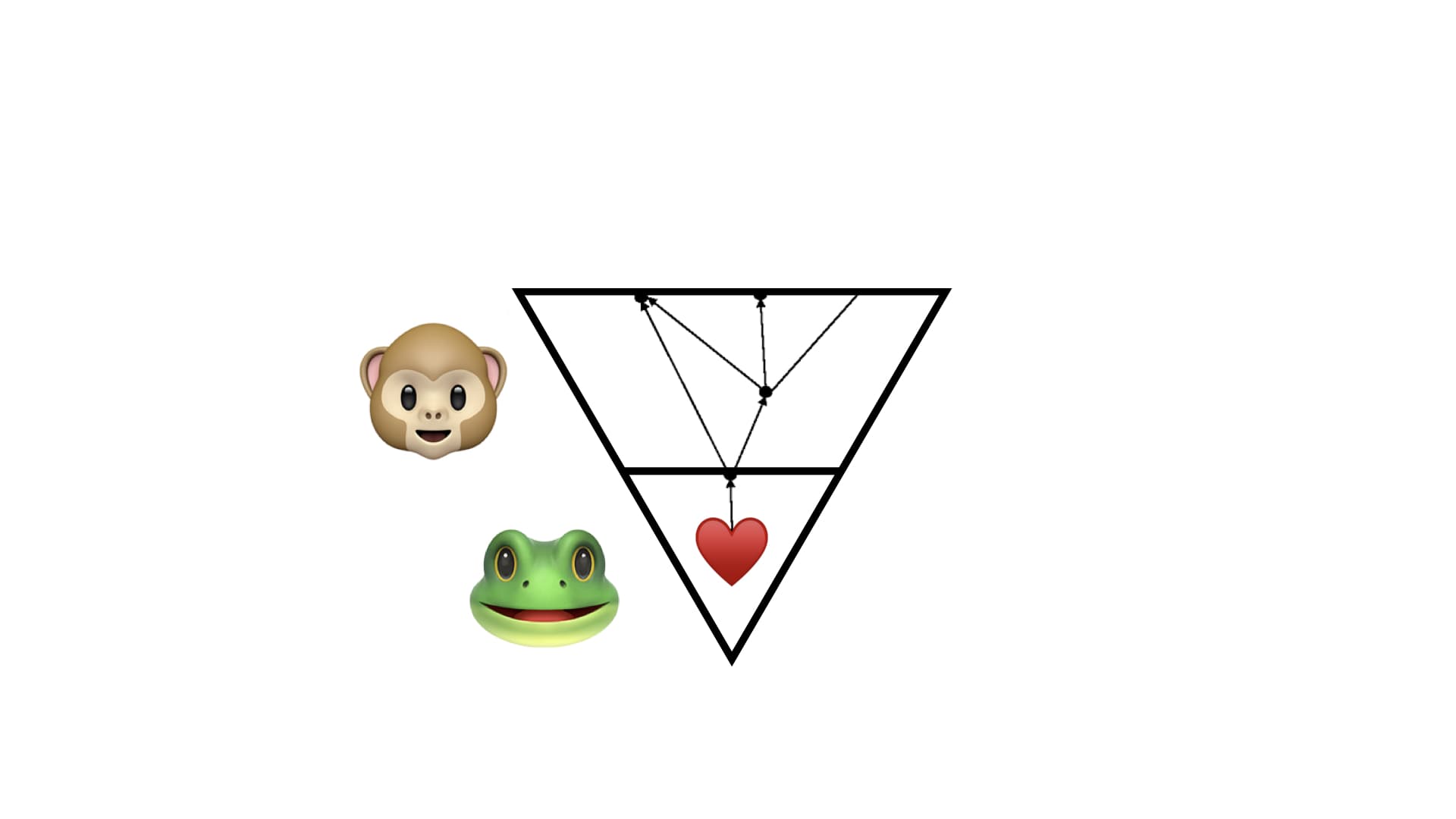
The middle layer, the monkey brain (the limbic system), works as an analyzer. It takes the signal from below and checks: is there real danger? If not, it files it away. The monkey watches patterns, forms bonds, feels before it thinks. This is what keeps us together and lets us build civilizations.
What truly sets us apart is the top layer — the human brain (the neocortex). This is where you, the boss, reside. Dreams, language, abstract thought, planning. The part that lets you appreciate beauty and wonder at the world.
This cake was dreamed up in the 1960s by the neuroscientist Paul MacLean. Neuroscience has long since moved on: the brain didn’t grow floor by floor, it was reworked as a whole, and lizards have a cortex too. A crow has no neocortex at all, yet it solves the puzzle from Aesop’s fable — raising the water in a pitcher by dropping in pebbles — as well as a child of five to seven. Still, as a map the cake works: fast and ancient at the bottom, slow and new on top.
The brain also keeps telling you the story of yourself. The cortex takes what happened and packs it into a coherent story so the experience takes up less room. Fractal compression, if you will. What stays in memory is the retelling.
The neuroscientist Michael Gazzaniga worked with people whose hemispheres had been surgically disconnected. The right hemisphere was shown snow, the left a chicken claw. The hand picked a shovel. When the patient was asked why the shovel, the left hemisphere, which knew nothing about the snow, answered at once: “The chicken claw goes with the chicken, and you need a shovel to clean out the chicken shed.” A ready-made story, built out of nothing.
A baby grows through all three in order. First the reptile handles survival. Then the monkey wakes up as the child starts feeling and remembering. Last to mature, around twenty-five, is the frontal cortex — the part that plans and puts the brakes on impulses. The reptile breathes, the monkey worries, the human plans. You are all three. We came here for the joy of living. Survival is just the foundation.
Although the only real emotion is joy, another one walks onstage with it. It whispers caution, reminds us we’re vulnerable, pushes us to guard what we have. And makes us want what others have.