
Buddhism, simply put
Every religion starts with “believe.” Buddhism starts with “check.” The Buddha asked people not to take even his word for it. And once you start testing, you find there is nothing to believe in at all.
Buddhism is just practical psychology. Strip away the temples and the incense and what’s left is a diagnosis and a treatment.
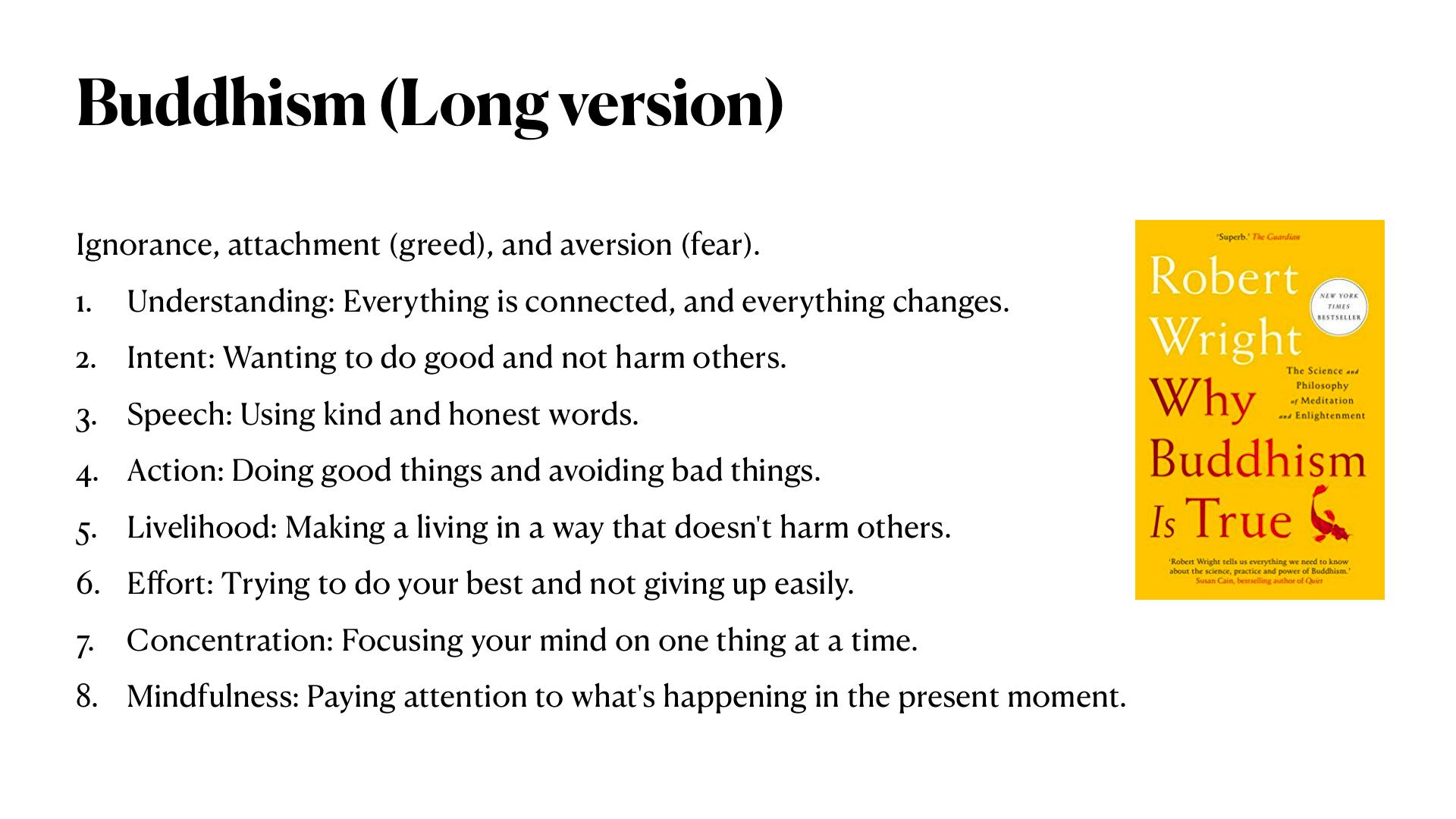
The problem: ignorance, attachment (greed), and aversion (fear). That’s the whole disease. We don’t see things as they are, we cling to what we like, we push away what we don’t. And we suffer.
One winter we walked around the cities of Belgium and Holland, and we suffered. The Belgians and the Dutch didn’t. They were freezing too, gasping and cursing at the gusts of wind — and yet no suffering. An hour before we left, I stopped suffering too. I was still freezing, same as them. The frost and the wind are external forces. The resentment, the self-pity, the sense of unfairness — those I could drop. It got easier right away. Warmer? No.
That was the second arrow. You fire it yourself. The second arrow is you. There’s no one else out there.
The Buddha never banned wanting, either. He split desire in two: the craving that grows out of ignorance and clings — and the wish that grows out of clarity: to sit down and meditate, to walk the path to its end. The whole training is turning the first into the second.
When I discovered Buddhism, I realized the Buddha had already thought all of this through. The treatment he prescribed is one clean list — the eightfold path.
The eightfold path
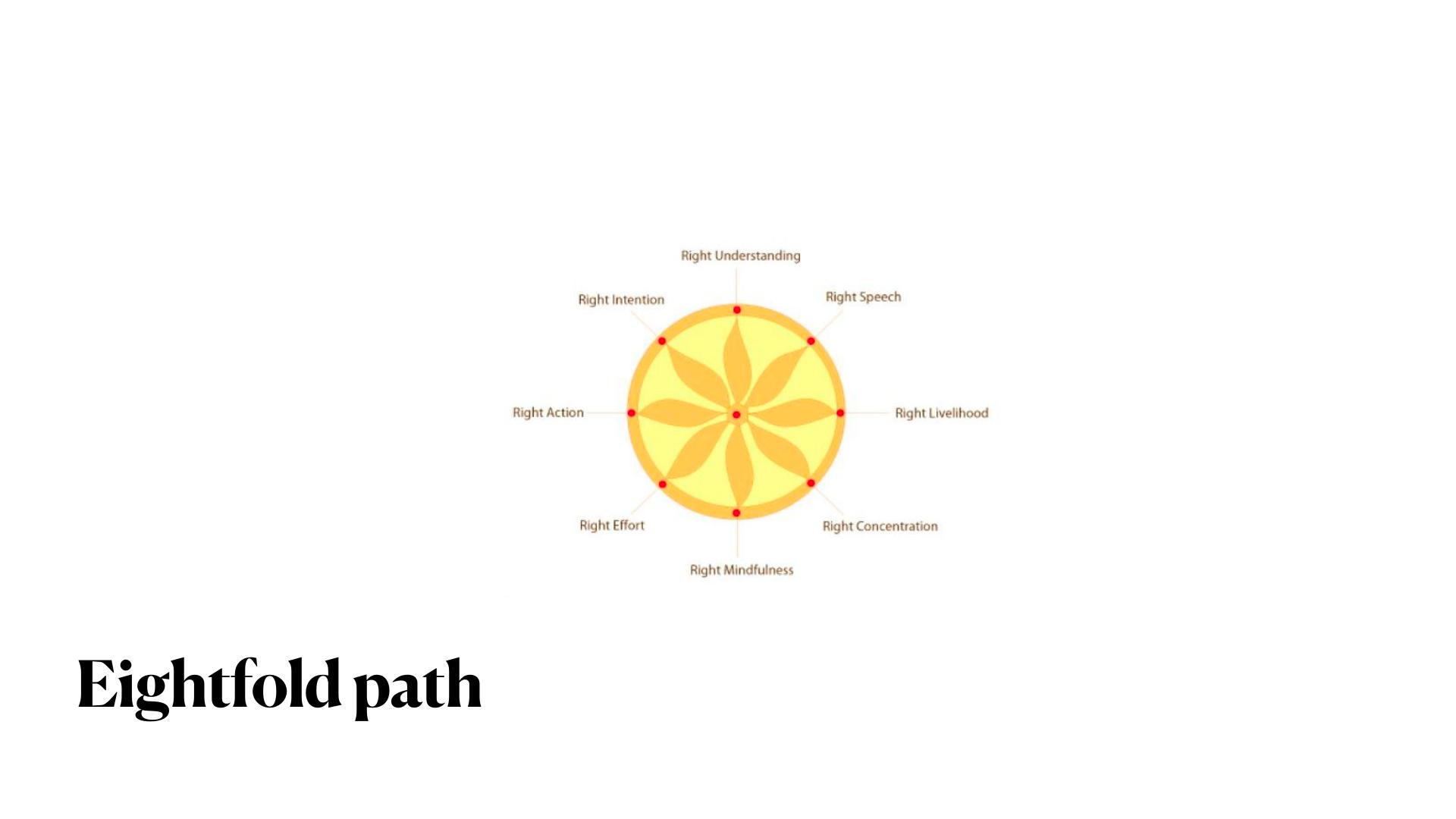
The path starts with understanding: everything is connected, and everything changes. Out of it grows intent, wanting to do good and not harm others. Intent comes out as speech, kind and honest words, and as action: doing good things and avoiding bad ones. Then livelihood, making a living in a way that doesn’t harm others. Effort, trying your best and not giving up easily. Mindfulness, paying attention to what’s happening in the present moment. And concentration, focusing the mind on one thing at a time.
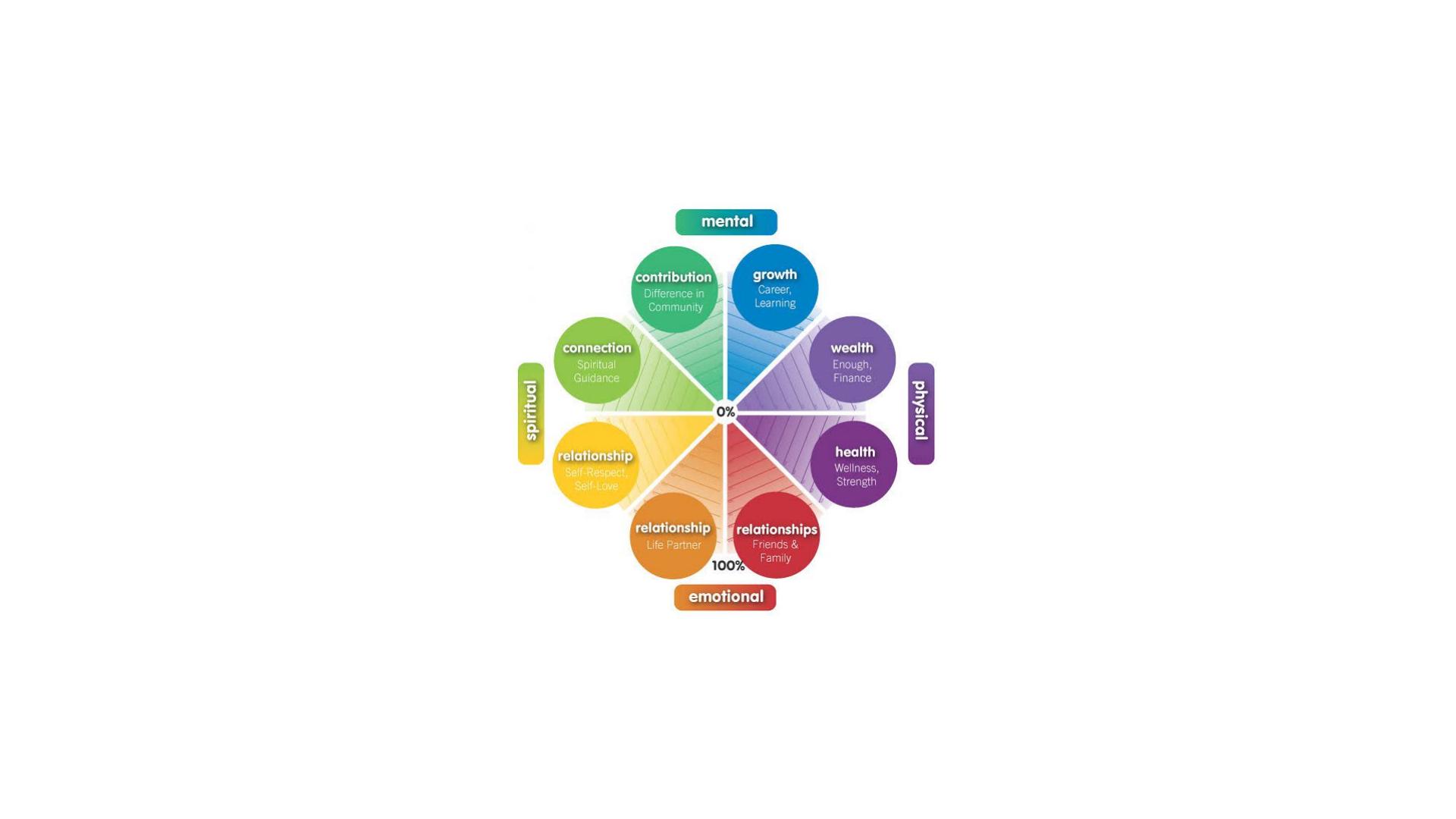
Every modern wheel of life, every wheel of balance, every self-help framework you’ve ever seen — it’s the same thing repackaged. They’re all the eightfold path with new graphics.
You don’t have to do all eight at once. You can start with just one: start being aware of what’s happening.
That’s all I did. I read Why Buddhism Is True, started simply noticing — and by pulling on that one thread, I pulled myself out.
The first step is to admit there’s a problem. After that — just notice.
The seventh step on the path is mindfulness. And it’s the engine for all the rest.
The Reading List
Why Buddhism Is True
The Science and Philosophy of Meditation and Enlightenment
Natural selection built our brains to chase satisfaction that never lasts and to see the world warped in our favor. Buddhism diagnosed this thousands of years ago, and meditation is the tool for seeing through the illusion — becoming both happier and clearer at once.
What the Buddha Taught
With Texts from Suttas and Dhammapada
A scholar-monk lays out the original teaching without decoration: no sin, no god, no speculation — ignorance and craving, and the way out of both.